

Flooding rarely waits for a convenient time. A summer storm can dump inches of rain in an hour, a sump pump can fail overnight, or a supply line can burst while you’re at work. However the water arrives, what happens in the hours right after determines whether you’re looking at a straightforward cleanup or a much larger rebuild. When homeowners search for flood restoration in Indianapolis, speed and proximity are the two things doing most of the work behind that search, and for good reason.
The First 24 to 48 Hours Set the Outcome
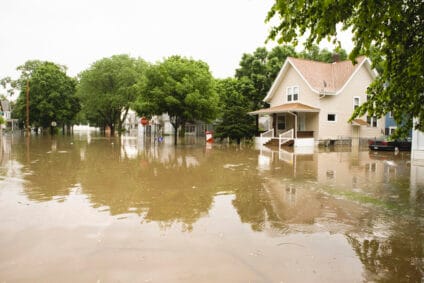
Water doesn’t sit still once it enters a home. It wicks into drywall, soaks into subflooring, and works its way behind baseboards and cabinetry within hours of contact. Materials that are still merely wet at hour six can be structurally compromised by hour thirty. Mold growth follows a similar timeline; most species can begin colonizing damp material within 24 to 48 hours once the right temperature and moisture conditions are in place.
That narrow window is the reason timing matters more than almost any other factor in how a flood recovery plays out. For Indianapolis homeowners dealing with a flooded basement or storm-driven water intrusion, every hour that passes without extraction and drying widens the gap between a manageable job and a full-scale reconstruction.
Why the Water Category Changes the Clock
Not all flood water carries the same risk, and that changes how urgently it needs to be addressed. Category 1 water comes from a clean source, such as a supply line, and poses the least contamination risk if it’s addressed quickly. Category 2 water already contains some contaminants, and Category 3 water, which includes floodwater from outside the home and sewage backups, is contaminated from the start and requires specialized handling regardless of how fast the response is.
This matters for timing because water doesn’t stay in one category. Clean water left standing for more than a day or two can develop bacterial growth that pushes it toward Category 2 or 3, since bacteria multiply quickly in stagnant conditions. A delay doesn’t just add water damage; it can add a contamination problem that wasn’t there when the water first came in.
What Happens When Flood Restoration Is Delayed
The cost of waiting rarely shows up as one big number. It shows up as a series of smaller ones that add up.
Structural materials get worse, not better. Drywall that could have been dried and saved at hour twelve often needs to be removed and replaced by day three. The same goes for subflooring, baseboards, and insulation, all of which absorb and hold water long after the surface looks dry.
Mold becomes part of the job. What starts as a water problem often becomes a combined water and mold problem once flood restoration is delayed past that first day or two, adding a second phase of containment and remediation on top of the original work.
The affected area grows. Water doesn’t stay where it lands. It travels along framing, under flooring, and through wall cavities, so a delay of even a day or two often means a larger footprint of damage than the water appeared to cover when it first came in.
Why Proximity Is Part of the Timing Equation
This is where the “near me” part of the search matters as much as the “restoration” part. A crew that has to drive ninety minutes across the metro loses hours that a locally based team wouldn’t. For homeowners searching for flood restoration near them in Indianapolis, choosing a company with an established local presence and crews already stationed around the metro area is one of the more overlooked variables in how quickly water gets extracted and drying equipment gets running.
Local availability also affects response during widespread events. When a single storm system affects multiple parts of Indianapolis at once, restoration companies with crews already close to your address and enough local capacity can respond faster than one dispatching from a single office outside the area.
What Fast, Professional Flood Restoration Looks Like
When flood restoration starts quickly, the process follows a fairly consistent sequence. Standing water is extracted first, using pumps and truck-mounted equipment for larger volumes. Moisture readings are taken throughout the affected area, not just where water is visible, since materials can hold moisture well beyond the edge of standing water. Industrial air movers and dehumidifiers are then set up to dry the structure completely, with follow-up moisture checks over the following days to confirm materials are back to a normal, dry range before any rebuilding begins.
Handled this way, most flood restoration jobs that start within the first day or two are contained to extraction, drying, and minor repairs. Jobs that start later frequently require demolition of compromised materials, mold remediation, and a longer rebuild timeline. That’s precisely why finding flood restoration in Indianapolis, and getting a crew responding the same day, changes what the rest of the project looks like.
Flood Restoration in Indianapolis
If your Indianapolis home has standing water or recent flood damage, the timeline is already running whether or not a crew has been called yet. Every hour that passes gives water more time to spread, more materials to damage, and more opportunity for mold to take hold.
Pure Air Environmental provides flood restoration for homes and businesses throughout the Indianapolis area, with crews ready to respond quickly to extract water, begin drying, and assess the full extent of the damage. Contact our team as soon as flooding occurs. Acting now is what keeps a flood restoration project small.