
Water mitigation and water remediation are two different stages of handling water damage. Mitigation is the emergency response that stops the damage from spreading, while remediation is the cleanup and decontamination that leaves the space dry, sanitary, and safe again. Restoration, the third stage, is the rebuild. Contractors sometimes use all three terms loosely, which is where the confusion starts.
That confusion matters, because the label on an estimate tells you what work is actually included. This guide explains how water remediation in Indianapolis differs from mitigation and restoration, which one your situation calls for, and what to do while you wait for help.
What Is Water Remediation?
Water remediation returns water-affected areas to a clean, dry, and sanitary condition. It typically covers extracting water, removing materials that cannot be saved, drying the structure with professional equipment, monitoring moisture levels, and cleaning or sanitizing surfaces the water touched. The goal is not just a dry floor. It is a space with no hidden moisture and no contamination left behind.
Water Mitigation vs. Water Remediation vs. Water Restoration
The three stages often overlap on the same job, but each one answers a different question.
Water Mitigation: Stop the Damage From Spreading
Mitigation is the emergency response. It covers stopping the source, extracting standing water, and setting up drying equipment as quickly as possible. It answers: How do we keep this from getting worse?
Water Remediation: Make the Space Clean and Safe
Remediation picks up where mitigation leaves off. It covers removing damaged materials, thoroughly drying the structure, and cleaning or sanitizing affected areas. It answers this question: Is this space truly dry and safe to live in? Because leftover moisture lets mold take hold, remediation sits at the intersection of water damage and mold prevention, which is why mold and water remediation often go together on many jobs.
Water Restoration: Put the Home Back Together
Restoration is the rebuild. It covers replacing drywall, flooring, trim, and paint so the space looks and functions the way it did before. It answers the question: How do we get back to normal?
Working with one company that handles all three stages means fewer handoffs and one team that understands the job’s full history.
Which One Does Your Situation Need?
What your home needs depends largely on the type of water involved and how long it has been sitting. The IICRC, the industry organization that sets restoration standards, groups water into three categories, and those categories shape the scope of work.
- A clean supply line leak caught quickly (Category 1). This is often mostly mitigation and drying. If the water is extracted and materials are dried promptly, many of them can be saved in place.
- A washing machine or dishwasher overflow (Category 2). This water carries contaminants, so remediation becomes essential. Affected surfaces need cleaning and sanitizing, and saturated padding is often removed.
- A sewer backup or floodwater from outside (Category 3). This calls for full remediation. Porous materials that contacted the water, such as carpet, padding, and drywall, generally have to be removed rather than cleaned.
- Clean water that sat for several days. Water can become more contaminated over time as it picks up bacteria and material from the home, so a leak that started clean can still require remediation.
If you are not sure which of these applies, a professional moisture assessment can answer the question quickly and show how far the water traveled behind walls and under flooring.
What Happens During Water Remediation?
Every job is different, but the work generally moves in this order:
- Inspection and moisture mapping. Technicians find the source and use moisture detection tools to locate water you cannot see.
- Stopping the source. You must shut off or repair an active leak before drying can work.
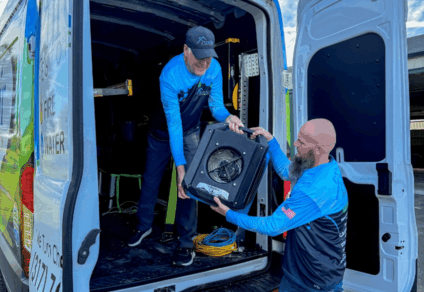
- Water extraction. Pumps and extraction equipment remove standing water, which shortens drying time considerably.
- Removing damaged materials. Remove saturated padding, swollen particleboard, and drywall that wicked up contaminated water early to prevent odor and mold.
- Drying and dehumidification. Air movers and dehumidifiers pull moisture from the structure, with readings taken until materials return to normal levels.
- Cleaning and sanitizing. Clean affected surfaces and, when needed, treat them with antimicrobial products, especially after Category 2 or 3 water.
- Repairs. Once everything is dry, restoration work returns the space to normal.
Why Does the 24 to 48 Hour Window Matter?
The EPA’s water damage guidance recommends drying water-damaged materials within 24 to 48 hours to help prevent mold growth. After that, crews typically have to remove more materials instead of drying them, and the job shifts from mitigation to full remediation. Our post on why timing matters for flood restoration in Indianapolis explains how quickly costs and damage climb.
What Should You Do Before the Crew Arrives?
A few steps can limit damage while you wait:
- Shut off the water at the main valve if the source is a plumbing leak.
- Turn off electricity to affected areas only if you can reach the panel safely without standing in water.
- Move furniture, rugs, and valuables away from wet areas.
- Take photos and videos of the damage before moving or removing anything.
- Contact your insurance provider to report the loss.
- Avoid using a household vacuum on water, and hold off on running fans until you know the water is clean, since moving air can spread contaminants from Category 2 or 3 water.
Stay out of standing water if you are not sure whether it is contaminated, or if outlets or cords may be submerged. If you are still unsure whether you have a water problem at all, these signs your Indianapolis home needs a water mitigation company can help you decide.
Water Remediation in Indianapolis
Understanding the difference between mitigation, remediation, and restoration makes it easier to read an estimate, ask the right questions, and ensure nothing is left out. The goal of any water job should be a home that is fully dry, clean, and repaired, not just one that looks fine on the surface.
Pure Air Environmental is a family-owned company, and our IICRC-certified team provides 24-hour water remediation in Indianapolis. We use moisture-detection technology to find hidden water, and we handle everything from the initial cleanup to final repairs. Call our team at Pure Air Environmental today to schedule an assessment and get your home dry, clean, and back on track.