

Mold growth in a home can develop gradually and quietly, often with no obvious signs until it has been present for weeks or months. Many homeowners are unsure what to watch for or when the signs they are seeing warrant a professional evaluation. Understanding the indicators that suggest your Indianapolis home may need mold removal helps you act before the problem expands. 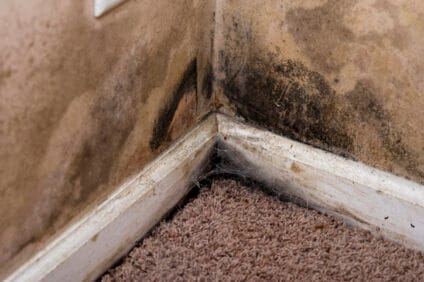
Persistent Musty Odor in One Area of the Home
A musty smell that returns after cleaning or gets stronger when the HVAC system runs is one of the most reliable indicators of active mold growth. The odor comes from microbial volatile organic compounds produced by mold colonies, and it is often detectable before any visible growth appears.
The EPA notes that mold can often be smelled before it is seen. If the odor is concentrated in a specific room, closet, or lower level of the home and does not clear after airing out the space, a professional mold removal assessment is worth scheduling.
Visible Growth on Walls, Ceilings, or Floors
Any visible mold in a living area of the home is a signal that conditions have supported growth long enough to produce a colony. Mold appears in a range of colors, including black, green, white, grey, and orange, depending on the species and the material it is growing on.
Color alone is not a reliable indicator of severity. What matters more is where the mold appears and what moisture source is feeding it. A small patch visible on a wall surface may represent significantly more growth inside the wall cavity. A professional mold removal evaluation identifies the full extent of the presence, not just what is visible.
Water Damage History Without Professional Drying
Any past water intrusion event that was not professionally dried and inspected creates elevated mold risk. Indiana homes see water damage from multiple sources: severe storms, flooding during heavy rain, burst pipes during hard winters, and appliance failures. If any of these events occurred in your home and the affected area was not addressed by a restoration professional, residual moisture in structural materials may have supported mold growth long after the visible water was gone.
Drywall, wood framing, and insulation absorb water and hold it. Without verified drying using moisture meters and professional equipment, materials can remain damp enough to support mold for weeks.
Respiratory Symptoms That Improve Outside
Mold exposure is associated with respiratory irritation, including coughing, sneezing, nasal congestion, throat irritation, and, in sensitive individuals, worsening asthma symptoms. If household members notice that these symptoms improve when they are away from home, indoor air quality may be contributing to the problem.
According to the CDC, people with allergies, asthma, or compromised immune systems are particularly susceptible to health effects from mold exposure. If these symptoms are concentrated in a specific room or level of the home and have appeared without an obvious seasonal or outdoor allergen explanation, mold should be investigated.
Staining or Discoloration on Drywall or Ceilings
Yellow, brown, or gray staining on ceilings or walls that appeared without a clear recent water event may indicate a slow, ongoing leak. Slow leaks inside walls or from roof systems can gradually saturate materials, creating conditions for mold growth behind the finished surface before the staining becomes obvious on the drywall’s face.
If you notice staining that you cannot attribute to a recent, identifiable event, it is worth having a professional assess whether moisture is still active in the area and whether mold has developed in response.
Warping or Soft Spots in Walls or Floors
Drywall that feels soft when pressed, floors that have developed soft spots or begun to buckle, or baseboards that have pulled away from the wall can all indicate moisture damage that has been present long enough to compromise the material. Indiana basements are particularly susceptible to moisture intrusion from soil saturation during heavy rain seasons. Persistent moisture in lower levels often leads to mold growth on wood framing, concrete blocks, and other organic materials in the space.
Once materials have been physically altered by moisture, mold removal usually involves removal of the compromised sections, not just surface treatment. This is a common finding in Indiana basements and crawl spaces where persistent ground moisture keeps foundation walls and lower framing damp over extended periods.
Mold Removal in Indianapolis
Mold in your home does not resolve on its own. It continues to grow as long as a moisture source sustains it, and it spreads to new materials over time. The warning signs listed above are reasons to act, not to wait.
Professional mold removal addresses both the visible growth and the underlying conditions that allowed it to develop. A moisture source that is not identified and resolved leads to recurrence, regardless of how thoroughly the visible mold is cleaned. A complete mold removal process includes finding and addressing the cause, not just treating the effect.
Pure Air Environmental provides professional mold removal services for homeowners throughout Indianapolis. If your home shows any of these signs, contact our team today for an assessment and find out what it’s dealing with.