If you’ve lived in Indiana long enough, you’ve probably heard neighbors or realtors talk about radon, usually during a home inspection or in the middle of winter when houses are sealed up tight. But what exactly is radon, and why is radon mitigation in Indianapolis such an important topic for homeowners? You’ve come to the right place. 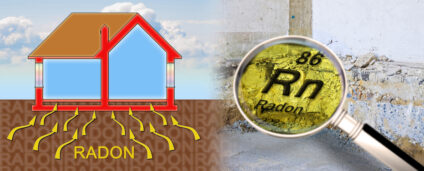
What Is Radon, Exactly?
Radon is a naturally occurring radioactive gas that forms when uranium in soil and rock breaks down. You can’t see it, smell it, or taste it, which is part of what makes it so sneaky. It moves through the ground and can enter homes through tiny cracks, gaps in foundations, sump pits, crawlspaces, basically any opening that connects to the soil.
Every house has some level of radon, but the concern starts when those levels rise above the EPA’s recommended action threshold of 4.0 pCi/L. Long-term exposure to high radon levels is linked to lung cancer, which is why radon is taken seriously nationwide.
Why Radon Is a Bigger Issue in Indianapolis
Here’s something many homeowners don’t realize: Indiana is considered a Zone 1 state; which means it’s one of the highest-risk radon regions in the country. Indianapolis, in particular, sits on soil that naturally produces elevated radon levels. Combine that with our cold winters, when everyone seals up their homes to stay warm, and indoor radon levels can spike even more.
So December is actually one of the most important months of the year to test your home and make sure you do not need radon mitigation.
How Radon Gets Into Your Home
Most people imagine radon leaking in through big cracks in the foundation, but it doesn’t take much. Even microscopic openings are enough. Here are the most common entry points:
- Hairline foundation cracks
- Gaps around plumbing or electrical penetrations
- Floor drains and sump pits
- Crawlspaces with exposed soil
- Construction joints
Older homes, newer homes, basements, slab homes, radon doesn’t discriminate. That’s why testing is recommended for every household, regardless of age or location.
Does Radon Mitigation Really Work?
Yes! And it’s more straightforward than it sounds. Radon mitigation systems don’t remove radon from the soil. Instead, they redirect the gas before it enters your home.
A standard system uses a vent pipe and a fan to pull radon from beneath the foundation and release it safely above the roofline. It runs constantly and is surprisingly quiet. Many homeowners are shocked by how much lower their radon levels drop once the system is installed. Better yet, radon mitigation systems usually last years with only basic maintenance (mostly checking the fan and making sure the system is functioning properly).
Is Radon Mitigation Worth It in Indianapolis?
Absolutely. Considering the area’s naturally high radon potential, mitigation is one of the most worthwhile home improvements you can make. It protects your family’s long-term health, helps maintain indoor air quality, and adds value if you plan to sell your home. Buyers in Indy often ask about radon levels, so a radon mitigation system can give your property an edge.
Radon Mitigation in Indianapolis
Radon may be invisible, but its impact is very real, especially in cold-weather months when homes across Indianapolis are sealed tight. If you haven’t tested your home recently (or ever), winter is the perfect time to do it. And if your levels come back high, professional radon mitigation in Indianapolis provided by the experts at Pure Air Environmental can bring those numbers down quickly and safely. A little peace of mind goes a long way, especially when it comes to the air your family breathes, so give us a call today.